A place of belonging
The names that keep families connected.
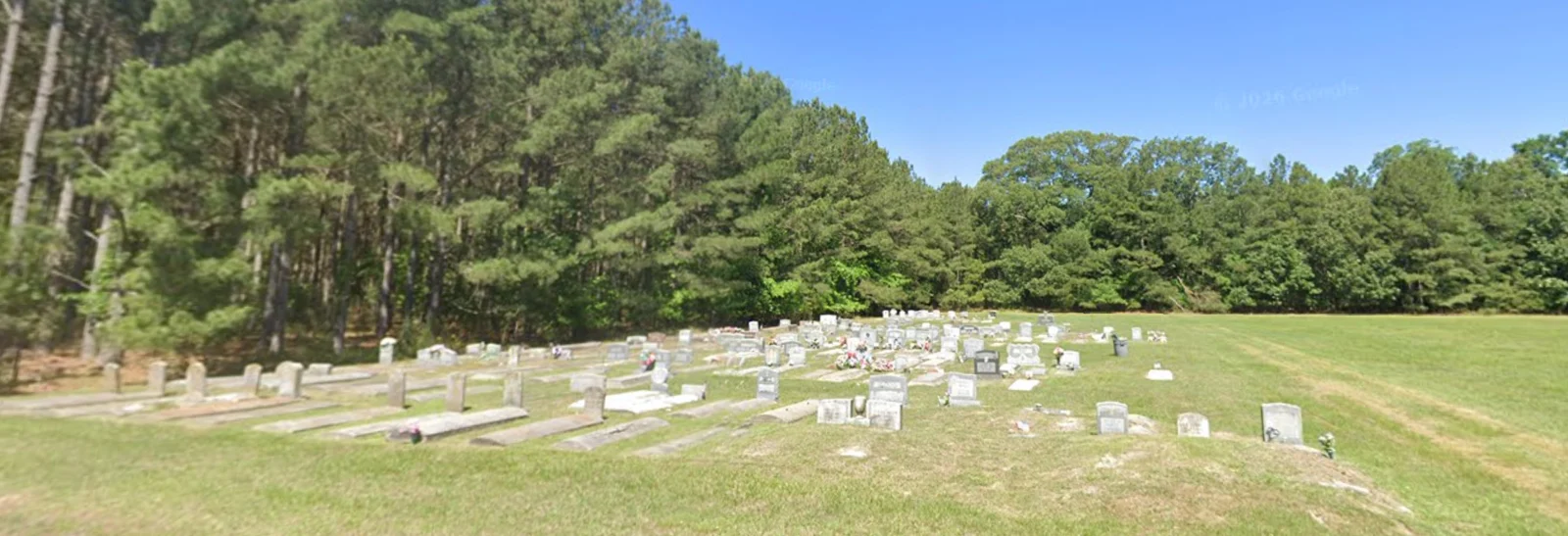
Community records call this the Lina’s Road cemetery, Blackwater Road community cemetery, and John Wesley cemetery. Those names connect a place of burial with the road, congregation, and families who have cared for it.
A burial ground is sacred space and a historical record. Dates, inscriptions, family groupings, funeral programs, and oral memories help descendants follow lives across generations. An unreadable stone or an unmarked grave does not make a life unimportant; it means remembrance requires particular care.
The record and its limits
A land date is not the date of the first grave.
- The earliest burials · Still under research
The precise establishment date and earliest burial are not confirmed in the reviewed record. The congregation’s 1879 founding date must not automatically become the cemetery’s founding date.
- May 9, 1960 · The Spicer conveyance
Thomas T. Spicer conveyed approximately four acres opposite the church to its trustees, recorded at Liber 119, folio 94. The deed identifies land from the William O. Cooper Farm and refers to a February 18, 1960 survey. It does not by itself establish when burials began or settle every boundary question.
- 1981 · A connected place documented
The Maryland Historical Trust survey places the cemetery west of Blackwater Road, opposite the present church, and records the neighboring schoolhouse as part of the setting.
- 1985–2024 · Generations remembered
Family accounts record Mary Catherine Cornish’s burial at John Wesley cemetery in April 1985, George Harrison Meekins Sr.’s burial in the Lina’s Road community cemetery in September 1987, and Shirley McNamara’s burial in December 2024. These are family-history entries, not a complete burial register.
Family history, held in a landscape.
The cemetery links relatives who remained in Dorchester County with descendants who moved elsewhere. Returning to a family grave can turn a name heard in childhood into a place, a date, and a connection with earlier generations.
Markers must be read alongside other sources. A shared surname does not prove a relationship; a photograph does not establish plot boundaries. Burial records, family knowledge, photographs, and land records should be compared, preserving sources and making uncertainty visible.
Share a funeral program, inscription photograph, or family memory privately for review. The Family Collection helps bring these records together. Please avoid publishing living relatives’ personal details without permission.
Our preservation effort
Care that continues after a single cleanup.
The Group seeks long-term stewardship that respects the cemetery’s sacred character, family connections, continuing use, and access. The project materials include it in the transfer effort. Reported petition approval is not proof of completed title transfer or a substitute for confirmed burial and access arrangements.
Maintain the grounds
Plan mowing, careful vegetation management, drainage attention, and safe paths without disturbing graves.
Conserve, do not improvise
Document damage and obtain suitable advice before cleaning, resetting, or repairing markers.
Keep the names
Build a sourced record of inscriptions, locations, photographs, and family information, including uncertainties.
Boundary research, professional assessment where needed, insurance, and a sustainable maintenance plan are part of responsible care. These are priorities, not claims that a full survey or restoration is complete.
Visit with respect. Contribute with care.
The community describes the cemetery as active and sacred ground. Please contact the Group to arrange a visit, ask about a burial or record, or offer help. This page does not assign plots, grant burial permission, or establish unrestricted visiting hours.
Do not move stones, probe the ground, apply cleaners, make rubbings, or begin repairs independently. Safely observed damage or inscription information can be shared with the Group. Respect mourners, graves, private family information, and site-specific instructions.
Why we need donations
Remembrance creates a continuing duty of care.
Grass grows, paths need attention, water affects the ground, and aging markers require informed care. One volunteer day cannot replace recurring maintenance or specialist help. Resources also support documentation so future descendants can understand the records.
Pledge support for cemetery care and repairs, offer appropriate skills, or help identify records. No gift amount is presented as a guaranteed repair cost. The website records pledges only; it does not collect payment or make automatic charges.
Sources and questions still open.
Land history draws on the May 9, 1960 deed, Liber 119, folio 94, identified in the Group’s September 9, 2026 record. Location is documented in survey D-595. Named burials are retained from the community’s family-history account.
The earliest burial, complete burial register, and relationship between recorded boundaries and graves remain research tasks. This page makes no promise of perpetual legal access or completed transfer. Help add evidence.